
 Jane
Jane
Technology is changing health and wellness in profound ways. What was once limited to doctor visits and clinical equipment is now available in the palm of a hand or on the wrist. Health monitoring gadgets empower people to understand their bodies better and make informed decisions about fitness, sleep, heart health, and much more.
These devices go beyond simply counting steps. They measure complex metrics, track patterns over time, and give personalized insights that help people stay motivated and proactive about well-being. From fitness trackers to smart rings and continuous glucose monitors, modern health tech is designed to support everyday lifestyles.
This article explores the world of health monitoring gadgets. It explains what these tools do, how they work, and which ones are worth considering. There is advice for different goals and life stages. The article aims to help readers navigate a crowded market filled with intriguing options and innovations.
Let us begin with an overview of why health monitoring gadgets matter and how they have evolved.
The Rise of Health Monitoring Gadgets
In the past, people relied on annual check-ups and occasional tests to understand their health. Today, wearable sensors and portable devices bring real-time data into daily life. These gadgets offer continuous feedback and long-term trend analysis that can reveal insights no traditional test could capture.
Several trends drive the shift in health culture. One is the growing focus on preventive care and early detection. People want to catch potential issues before they become problems. Another trend is personalized wellness. Rather than one-size-fits-all recommendations, many gadgets give tailored feedback based on unique patterns and metrics.
Health monitoring gadgets are now mainstream. Millions of users wear smartwatches, fitness bands, and other devices that track movement, heart function, sleep quality, and more. Thanks to advances in sensors, artificial intelligence, and mobile apps, these tools are more accurate and user-friendly than ever before.
Next, the article looks at the main categories of health monitoring gadgets and what they measure.
Fitness Trackers
Fitness trackers are often the gateway into wearable health tech. They are compact, affordable, and packed with features that go beyond step counting.
What Fitness Trackers Measure
Common metrics include:
- Steps taken during the day
- Distance traveled while walking or running
- Active minutes and calories burned
- Heart rate monitoring during activity and rest
- Sleep tracking with pattern analysis
These gadgets often connect to apps that display daily and weekly trends. They encourage goal setting and give reminders to move, especially during long periods of inactivity.
Popular Fitness Trackers
Devices like the Fitbit Charge, Garmin Vivosmart, and Xiaomi Mi Band combine simplicity with useful metrics. Their apps break down activity trends and allow users to set personalized goals. Some models offer guided breathing sessions and female health tracking.
Fitness trackers are ideal for people who want a straightforward way to monitor general health and activity levels. They offer motivation and accountability without overwhelming complexity.
Smartwatches with Health Features
Smartwatches build upon fitness trackers by integrating health metrics with smartphone connectivity and additional smart capabilities.
Health Monitoring on Smartwatches
In addition to the features of basic trackers, advanced smartwatches may offer:
- ECG or irregular heart rhythm detection
- Blood oxygen saturation monitoring
- Stress level insights based on heart rate variability
- Fall detection and emergency alerts
These devices provide a deeper look into cardiovascular health, sleep patterns, and overall wellness. They can also send alerts when data suggests unusual activity that may need further attention.
Standout Smartwatches
Platforms like the Apple Watch, Samsung Galaxy Watch, and Fitbit Versa series offer compelling health features. The Apple Watch, for example, can perform an electrocardiogram and notify users about irregular heart rhythms. Samsung Galaxy Watch monitors stress and offers guided breathing tools. Fitbit Versa tracks sleep quality and gives a daily readiness score that suggests whether the body should rest or push harder.
Smartwatches are suitable for those who want a blend of health tracking and smartwatch functions like notifications, music control, and app integrations.

Continuous Glucose Monitors
Continuous glucose monitors, or CGMs, have transformed blood sugar management for people living with diabetes. These devices provide real-time glucose readings without the need for frequent finger pricks.
How CGMs Work
A small sensor sits under the skin and measures glucose levels throughout the day and night. Data is sent to a smartphone or receiver, showing trends and alerts if glucose levels go too high or too low.
CGMs offer insights into how diet, activity, stress, and sleep influence glucose levels. They help users refine lifestyle choices with precise feedback rather than relying on separate test moments.
Users Who Benefit
While originally designed for people with type 1 and type 2 diabetes, CGMs are gaining interest from athletes and health enthusiasts who want to understand metabolic responses to food and exercise patterns.
Brands like Dexcom and Abbott FreeStyle Libre have established themselves as trusted CGM systems. The real-time data and trend reports help users and clinicians make more informed decisions.
Smart Rings
Smart rings are an emerging category in wearable health tech. These devices fit on a finger and track a surprising amount of health data.
What Smart Rings Track
Despite their small size, smart rings can measure:
- Heart rate around the clock
- Sleep stages and quality
- Body temperature trends
- Activity and movement patterns
Because they are lightweight and unobtrusive, smart rings appeal to users who find wrist wearables bulky or distracting.
Leading Options
Oura Ring is one of the most recognized smart rings, with a strong focus on sleep analysis and readiness tracking. The accompanying app breaks down sleep stages and offers insights into recovery and stress levels.
Smart rings are ideal for users who want subtle, continuous monitoring without a screen or button interface. They blend into daily life while providing meaningful wellness analytics.
Blood Pressure Monitors
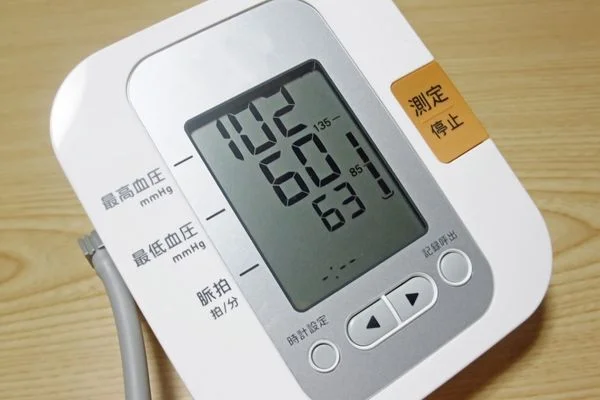
High blood pressure is a silent but serious health issue. Portable blood pressure monitors allow users to track their readings at home over time.
Features to Look For
Modern monitors include:
- Easy cuff inflation and automatic readings
- Memory storage for past results
- App syncing for trend tracking
- Multiple user profiles
Some models offer irregular heartbeat detection and morning versus evening averages that help clinicians understand patterns.
Practical Benefits
Regular home monitoring can help users catch hypertension early and support discussions with healthcare providers. It also removes the variability of occasional clinic measurements that may be influenced by anxiety or timing.
Monitors from brands like Omron and Withings are known for reliability and ease of use. They take the guesswork out of blood pressure management by offering clear readings at the push of a button.
Sleep Monitoring Devices
Sleep quality is a core pillar of overall health. Poor sleep affects mood, metabolism, immunity, and cognitive performance. Gadgets that track sleep can reveal patterns that might otherwise go unnoticed.
Wearable and Non-Wearable Options
Sleep tracking can happen in several ways:
- Wearable devices like smartwatches and fitness bands monitor movement and heart rate to estimate sleep stages.
- Under-mattress sensors detect breathing patterns and restlessness.
- Smart bedside devices use sound and motion detection to analyze sleep cycles.
What Accurate Sleep Data Can Reveal
Sleep monitoring can show:
- Total time spent asleep
- Time in light, deep, and REM sleep
- Sleep interruptions
- Sleep consistency over nights
Insights like delayed deep sleep onset or frequent awakenings can be the first step in addressing insomnia, stress, or sleep environment issues.
Devices like Withings Sleep Analyzer and Beddit provide detailed reports that connect to mobile apps. Users often find that seeing patterns over weeks gives more value than occasional nights.
Respiratory Health Monitors
Respiratory health is especially important for people with asthma, COPD, or seasonal allergies. Portable spirometers and breath sensors help track lung function.
Key Features
These devices measure things like:
- Forced expiratory volume
- Peak flow rate
- Breathing patterns
They offer structured data that can clarify whether symptoms are improving or worsening and show how medication or environmental factors affect breathing.
Some smartphone-compatible spirometers let users track graphs over time and share results with healthcare teams.
Heart Health Monitors
Beyond general heart rate tracking, specific devices focus on deeper cardiovascular insights.
ECG and EKG Capabilities
Electrocardiogram or ECG capable devices detect electrical signals of the heart. They can reveal irregular rhythms and signs of atrial fibrillation. The data is often stored so it can be shown to a clinician for follow-up.
Pulse Oximeters
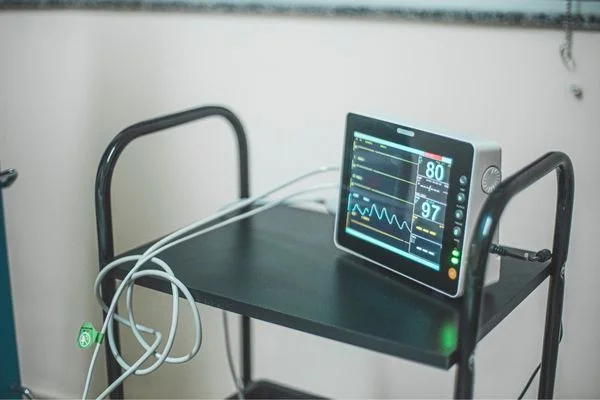
Pulse oximeters measure oxygen saturation in the blood. They are small, fingertip devices that give quick readings. Sustained low oxygen saturation may signal respiratory or circulatory conditions that need attention.
These tools offer peace of mind to users managing chronic heart or lung conditions, or those at risk for complications.
Mental Health and Stress Trackers
Wellness is more than physical metrics alone. Some gadgets offer stress and mental health insights based on physiological signals.
How Stress Tracking Works
Sensors measure heart rate variability and other subtle changes that signal activation of the nervous system. High stress levels show up as reduced variability, while calm states show more variation.
Apps use this data to prompt breathing exercises and mindfulness moments. Tools like Muse headbands combine brain sensing with guided practices that support meditation and relaxation.
These gadgets help raise awareness of mental wellness patterns that might otherwise be hard to quantify.
Choosing the Right Health Monitoring Gadget
With so many options, selecting the right health monitoring gadget depends on personal needs and lifestyle.
Here are some key considerations:
Ask What Matters Most
Are fitness and movement priorities? Then a fitness tracker or smartwatch with activity-focused tools may be best. If sleep quality is a concern, look for devices with advanced sleep metrics. People managing a condition like diabetes may prioritize a continuous glucose monitor.
Accuracy Versus Comfort
Some devices offer clinical-grade readings but can feel bulky. Others are subtle but may provide less data. Balancing comfort and accuracy will help ensure consistent use.
Ecosystem and Compatibility
Think about how the device integrates with phones, apps, and other wearables. Seamless syncing and clear reporting make it easier to understand trends over time.
Budget and Long-Term Value
Gadgets range from affordable entry-level trackers to premium devices with advanced sensors. It is important to consider long-term value, such as whether the device receives regular software updates and support.
The Benefits of Health Monitoring Gadgets
Health monitoring gadgets do more than provide data. They encourage consistency and awareness. Over time, many users notice improvements in habits, sleep routines, fitness progress, and stress management.
Here are some of the key benefits:
Personalized Feedback
Data helps personalize suggestions rather than relying on generic advice.
Motivation and Accountability
Seeing progress over time often motivates users to stay on track.
Early Detection
Continuous tracking can reveal changes early enough to prompt further evaluation.
Empowered Conversations With Providers
Long-term trend data enriches discussions with healthcare professionals and supports informed decision-making.
Limitations and Responsible Use
While health monitoring gadgets are powerful, they have limitations. Accuracy can vary based on sensor quality and user conditions. These devices are not replacements for medical diagnosis. Data should be interpreted with context and professional guidance when needed.
It is also possible to become too focused on numbers. Balance data use with mindful attention to how the body feels and responds.
The Future of Health Monitoring Gadgets
Advances in artificial intelligence, flexible sensors, and personalized analytics will drive future innovation. Gadgets may become even more seamless and embedded into clothing, accessories, or everyday objects. Early detection apps may signal health changes before symptoms begin. The focus will continue to shift toward proactive wellness rather than reactive care.
This future promises tools that are smarter, more intuitive, and more effective at helping people live healthier lives.
Health Monitoring Gadgets: Insights for Better Living
Health monitoring gadgets have transformed the way wellness is understood and pursued. From basic step counters to advanced glucose monitors and sleep analyzers, these devices provide rich insights that empower individuals to take control of their well-being.
At a time when health has become a daily priority for many people around the world, access to real-time feedback and trend monitoring matters more than ever. The right gadget can offer clarity, encouragement, and evidence-based insights that support healthier choices and better outcomes.
With thoughtful selection and responsible use, health monitoring gadgets help bridge the gap between data and meaningful action. The future of wellness technology will continue to expand what is possible, giving people smarter tools and a deeper understanding of their bodies day by day.