
 Jane
Jane
Makeup tips for mature skin are getting more attention as beauty conversations shift toward natural, skin-first approaches. Instead of heavy coverage or complicated routines, the focus now is on enhancing what is already there. Skin changes over time, and makeup should work with those changes, not against them. The goal is simple. Look fresh, comfortable, and confident without feeling overdone.
Recent beauty reviews and expert features highlight a growing preference for lightweight textures, hydrating formulas, and subtle finishes. Many makeup artists are moving away from matte, full-coverage looks and leaning into soft radiance and natural definition. This approach works especially well for mature skin, where hydration, texture, and tone play a bigger role in the final result.
There is also a growing awareness of how skincare and makeup work together. A good routine is no longer just about products. It is about preparation, technique, and choosing items that support the skin rather than mask it. With the right makeup tips, it becomes easier to create a polished look that feels effortless and wearable every day.
Understanding Mature Skin And Its Needs
Mature skin has its own characteristics, and understanding them is the first step toward better makeup results. Over time, skin tends to lose moisture, elasticity, and firmness. Fine lines may become more visible, and texture can feel uneven. These changes are completely natural, but they do affect how makeup sits on the skin.

As a result, products that once worked perfectly may start to feel too heavy or too dry. Thick foundations can settle into lines, while powder-heavy routines can make the skin look dull. This is why modern makeup tips for mature skin focus on hydration, flexibility, and light layering.
Another important factor is sensitivity. With age, skin can become more reactive, making gentle formulas a better choice. Products that include nourishing ingredients such as hyaluronic acid or lightweight oils often perform better. Instead of covering everything, the goal is to create a smooth, healthy base that allows natural skin texture to show through in a flattering way.
Why Less Makeup Often Looks Better
One of the biggest shifts in beauty right now is the move toward less product and more thoughtful application. This does not mean skipping makeup entirely. It means using just enough to enhance features without overwhelming them.
Heavy layers tend to draw attention to texture and fine lines. On the other hand, lighter layers blend more easily and move naturally with the skin. This creates a softer look that feels more modern and comfortable.
Many makeup artists now recommend focusing on key areas rather than applying full coverage everywhere, and for example, using concealer only where needed instead of applying thick foundation across the entire face. This approach helps keep the skin looking fresh and prevents an overly done makeup look.
Makeup Tips For Mature Skin That Really Work
When it comes to practical makeup tips, small changes can make a big difference. The way products are applied often matters more than the products themselves.
Key Makeup Tips To Follow
- Start with well-hydrated skin
- Use lightweight, buildable formulas
- Blend products thoroughly for a seamless finish
- Focus on enhancing natural features
- Avoid over-powdering
Hydration is especially important. Well-prepped skin helps makeup glide on smoothly and prevents it from settling into lines. Using a light moisturizer or hydrating primer can significantly improve the overall finish.
Blending is another essential step. Harsh lines or uneven application can make makeup look heavy. Soft, well-blended layers create a more natural and flattering result.
The Best Base Makeup For A Natural Finish
Foundation is often the most noticeable part of a makeup routine, so choosing the right formula is key. For mature skin, lightweight and hydrating foundations work best.
Instead of full-coverage matte formulas, many experts recommend sheer-to-medium coverage with a natural or dewy finish. These formulas even out skin tone without completely masking it. They also reflect light, making the skin look healthier.
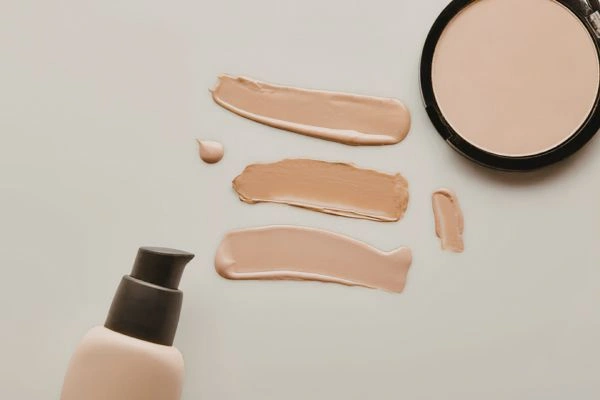
Application technique matters as much as the formula. Using a damp sponge or soft brush helps distribute product evenly. Applying in thin layers gives better control and helps prevent product buildup. It is often better to start with a small amount and add more only where needed.
Tinted moisturizers and skin tints are also popular choices. They provide light coverage while adding hydration, making them ideal for everyday wear.
Concealer Placement That Brightens Without Creasing
Concealer can make a big difference, especially around the eyes. However, using too much can lead to creasing and dryness.
The current approach focuses on strategic placement rather than full coverage. Applying a small amount to the inner corners of the eyes and blending outward helps brighten the area without emphasizing fine lines.
Choosing the right formula is also important. Creamy, hydrating concealers work better than thick, matte ones. They move with the skin and are less likely to settle into lines.
Setting concealer with a light dusting of powder can help keep it in place. The key is to use just enough to prevent creasing without removing the natural glow.
Eye Makeup That Enhances Without Overpowering
Eye makeup can easily become too heavy if not applied carefully. For mature skin, softer tones and blended textures create a more flattering effect.
Neutral shades such as soft browns, taupes, and warm tones are often more versatile. They add definition without looking harsh. Shimmer can still be used, but subtle finishes tend to work better than overly glittery formulas.
Eyeliner is another area where less is more. A thin line close to the lashes creates definition without closing off the eyes. Smudging the line slightly can soften the look even further.
Mascara remains an essential step, as it instantly opens the eyes. Choosing a formula that adds length and separation rather than heavy volume helps maintain a clean, natural appearance.
Brows That Frame The Face Naturally
Brows play a major role in framing the face, but over-defining them can make the overall look feel heavy.
Instead of sharp, structured brows, a softer approach works better. Filling in sparse areas with light strokes creates a natural effect. Choosing a shade close to the natural brow color helps maintain balance.
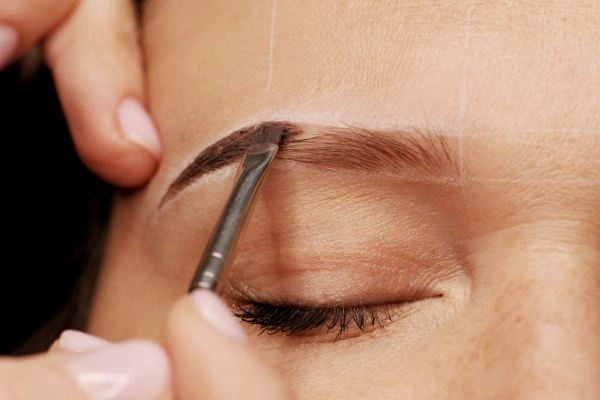
Brushing the brows upward and setting them with a light gel adds structure without making them look stiff. This helps keep the overall look fresh and effortless.
Well-shaped brows can lift the face and enhance features without requiring much additional makeup.
Blush And Bronzer For A Healthy Glow
Blush and bronzer can bring life back to the skin, especially when applied correctly. Cream formulas are often recommended because they blend easily and provide a natural finish.
Applying blush slightly higher on the cheeks can create a lifting effect. Soft pinks, peaches, and warm tones tend to look the most natural. These shades add warmth without overpowering the face.
Bronzer can be used to add subtle definition. Instead of heavy contouring, a light sweep along the cheekbones and temples creates a soft, sun-kissed effect.
The key is to keep everything blended and balanced. Harsh lines or overly strong colors can make the makeup look less natural.
Lip Colors That Add Freshness
Lip color can instantly brighten the face, but certain shades and formulas work better for mature skin.
Hydrating lipsticks, tinted balms, and glosses are popular choices. They add color while keeping the lips comfortable. Matte formulas can sometimes emphasize dryness, so they are best used sparingly.
Shades that enhance the natural lip color tend to look the most flattering. Soft pinks, warm nudes, and subtle berries are often good options.
Using a lip liner can help define the shape, but it should be blended well to avoid harsh lines. The goal is a smooth, natural finish that complements the rest of the makeup.
Skincare And Makeup Go Hand In Hand
A good makeup routine starts with skincare. Without proper preparation, even the best makeup products may not perform well.
Hydration is one of the key factors. Moisturized skin allows makeup to sit more evenly and last longer. Gentle exfoliation can also help remove dry patches and improve texture.
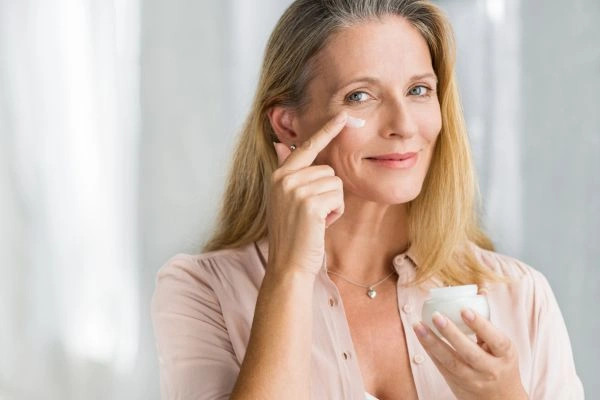
Sunscreen remains essential because it protects the skin and supports its overall health. Many modern makeup products also include skincare benefits, making it easier to combine both steps.
This connection between skincare and makeup is one of the main reasons why beauty routines are becoming more streamlined and effective.
Common Mistakes To Avoid
Even small mistakes can affect the final result, especially when working with mature skin.
Common Mistakes
- Using heavy, matte foundations
- Applying too much powder
- Skipping skincare preparation
- Over-defining brows and eyes
- Choosing drying formulas
Avoiding these mistakes helps maintain a natural and flattering look. The goal is not perfection but balance. Makeup should enhance features without drawing attention to texture or dryness.
Building A Simple Everyday Routine
A simple routine is often the most effective. It saves time while still delivering great results.
Basic Everyday Steps
- Hydrate and prep the skin
- Apply a lightweight base
- Use concealer where needed
- Add blush for warmth
- Define brows and lashes
- Finish with a hydrating lip color
This routine focuses on key areas without overcomplicating the process. It is easy to adjust depending on the occasion, making it practical for daily use.
Frequently Asked Questions
- What Are The Best Makeup Tips For Mature Skin?
The best makeup tips focus on hydration, lightweight formulas, and soft blending techniques to create a smooth, natural, and fresh-looking finish without emphasizing texture.
- What Type Of Foundation Works Best For Mature Skin?
Lightweight, hydrating foundations with a natural or satin finish work best, helping even out skin tone without settling into fine lines.
- How Can Makeup Avoid Looking Cakey On Mature Skin?
Applying thin layers, blending thoroughly, and using minimal powder helps prevent a cakey look. A well-prepped, moisturized base also makes a big difference.
- Is Powder Bad For Mature Skin?
Powder is not harmful, but it should be used lightly. Overuse can make the skin appear dry and highlight fine lines.
- What Makeup Makes Mature Skin Look Younger?
Makeup that emphasizes hydration, soft tones, and natural finishes tends to create a more youthful look, while heavy coverage and harsh lines can appear aging.
Final Thoughts On Makeup Tips For Mature Skin
Makeup tips for mature skin are no longer about covering flaws or following strict rules. They are about working with the skin in a way that feels natural and comfortable. Simpler routines, better formulas, and thoughtful techniques all contribute to a more refined result.
As beauty trends continue to evolve, the focus remains on balance and ease. A fresh, natural look often feels more modern than heavy, layered makeup. With the right approach, makeup becomes a tool for enhancing confidence rather than hiding features.
The most effective makeup tips are the ones that adapt to individual needs. By choosing products carefully and applying them with intention, it becomes easier to create a look that feels both polished and effortless every day.