
 Jane
Jane
Artificial intelligence is no longer limited to futuristic storytelling. It is now embedded in everyday devices and systems. AI-powered devices are designed to analyze data, learn from patterns, and adapt to changing conditions. These technologies improve efficiency, enhance connectivity, and streamline daily tasks. From smart speakers capable of processing voice commands to robotic vacuums that navigate living spaces independently, artificial intelligence has become an integral part of modern life.
This article examines the top AI devices available today, outlining how each technology functions, what distinguishes it from alternatives, and the factors driving widespread adoption. The discussion covers AI devices designed for home environments, personal applications, professional use, and entertainment, providing a comprehensive overview of the most advanced and practical AI-powered technologies currently shaping the market. Let us dive into the world of smart, learning, and adaptive machines.
Top AI Devices Explained: Smarter Tech for Everyday Life
Smart Speakers and Voice Assistants
Smart speakers are often the first AI device people adopt. They sit in your living room or kitchen and respond when you speak. These devices use voice recognition and natural language processing to understand requests and perform tasks. They represent some of the most popular and accessible AI devices available.

Amazon Echo with Alexa
The Amazon Echo uses Alexa, Amazon’s voice assistant. Alexa can play music, control smart home devices, set reminders, and answer questions. The device gets smarter over time with updates and learns user preferences. You can ask Alexa to tell you the weather, read the news, or turn off the lights. With thousands of “skills” created by developers, Echo offers versatility that fits many lifestyles.
What sets the Amazon Echo apart is its integration with a wide range of smart home products. Whether you have smart bulbs, thermostats, locks, or cameras, Echo often works seamlessly with them. This makes it a central hub for many connected homes.
Google Nest Audio
Google Nest Audio centers around Google Assistant. It understands conversational commands and can provide contextually relevant answers. If you ask, “What’s the best route to work?” Nest Audio will offer real-time traffic updates and estimated travel times. The integration with Google services like Calendar and Maps makes this device especially helpful for busy households.
The audio quality on Nest devices is also strong, so they double as capable speakers. Many users appreciate the natural voice responses and deep connection with Google’s ecosystem.
Apple HomePod mini
For people invested in the Apple ecosystem, HomePod mini is a smart speaker that works with Siri. It connects smoothly with iPhones, iPads, Apple Watches, and Macs. Users can send messages, play Apple Music, and control HomeKit-enabled devices with simple voice commands.
Apple focuses on privacy and user security, so much of the voice processing stays on the device. That appeals to users who want smart functionality without sacrificing data protection.
Smart Displays
Smart displays combine voice assistants with touchscreens. They show visuals for recipes, video calls, security cameras, and long searches. These are AI devices that bring digital information into the physical space in a more interactive way.
Google Nest Hub Max
The Google Nest Hub Max offers a large screen with Google Assistant built in. It is ideal for kitchens and living rooms. You can display recipes while cooking, start video calls, view your front door camera, or watch news briefings.
The device also uses face recognition to show personalized information. This means each family member gets tailored reminders, schedules, and suggestions. The visual cues make it feel more intuitive than voice alone.
Amazon Echo Show
Echo Show devices come in different screen sizes. They use Alexa to deliver similar functions. You can watch shows, check the weather, make video calls, and control smart home devices. Echo Show works with many streaming services and can even show camera feeds from your front door or your baby’s room.
With support for skills, routines, and multi-user voice recognition, the Echo Show is a powerful AI device for families, remote workers, and people who like visual interaction with technology.
AI Wearables
Wearable technology applies AI to personal health and fitness. These devices monitor our bodies and use machine learning to offer insights about activity, heart rate, sleep patterns, and more.
Apple Watch Series with AI Health Features
The Apple Watch uses AI to track fitness metrics and analyze movements. It can detect when you fall, and send emergency alerts if needed. The watch also uses machine learning to understand your daily activity patterns and offers prompts to move, rest, or train harder.
Newer Apple Watch models add features like blood oxygen tracking and advanced sleep monitoring. The more you use it, the more customized the suggestions become. This blends technology with personal health goals in a way that feels supportive rather than intrusive.
Fitbit Sense
Fitbit Sense adds stress detection and skin temperature monitoring on top of standard fitness tracking. It uses AI to analyze trends over time. This device is great for people who want a wellness-focused wearable that goes beyond steps and workouts.
Fitbit’s app provides a dashboard that highlights trends and insights. The AI doesn’t just collect data. It interprets it, helping users make real lifestyle adjustments.
Robot Vacuums
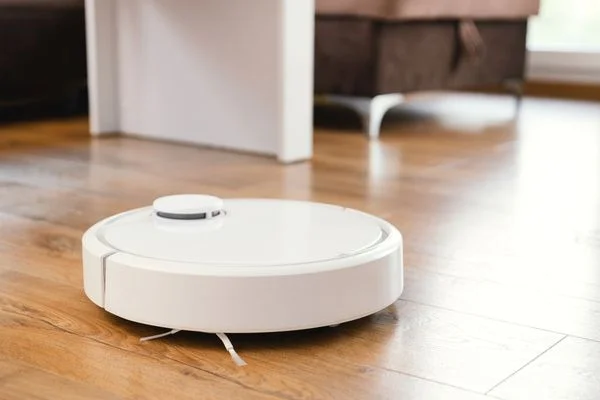
AI robots take mundane tasks off our to-do lists. Robot vacuums use sensors and mapping technologies to clean floors automatically, and can now learn your home layout to improve efficiency.
iRobot Roomba
Roomba is among the most recognized robot vacuums. The advanced models use AI to detect obstacles, avoid stairs, and map rooms. Some versions can be scheduled to clean at certain times or controlled by voice through smart assistants.
With repeated use, Roomba learns the most efficient route. It can remember where furniture is placed and adjust cleaning paths. This kind of learning makes it more effective with every run.
Roborock S Series
Roborock combines vacuuming and mopping functions. It uses AI mapping to create maps of entire floors. You can specify no-go zones and cleaning preferences. The device adapts to different floor types and uses its algorithms to make intelligent decisions about suction power and water usage.
Roborock’s integration with apps and voice assistants gives users convenient control even when they are away from home.
AI Home Security Systems
Modern security systems use artificial intelligence to analyze video and alert you to what matters. Unlike older systems that record footage, AI-enabled cameras can distinguish between a person, a pet, or even a vehicle.
Ring Video Doorbell
Ring Video Doorbell uses AI to recognize people versus other motion. When someone approaches your door, you get an alert and can see a live feed on your phone. Some versions also offer package detection and facial recognition.
The AI helps reduce false alerts. You do not want alerts every time a branch sways in the wind. The system learns over time and becomes more accurate.
Google Nest Cam
Nest Cam with Google Assistant offers intelligent alerts and activity zones. You can tell the camera where to focus attention, like a driveway or front porch. The AI analyzes motion and sends relevant notifications.
Cloud storage and smart notifications mean you can check past footage easily. Whether you are at work or on vacation, the device gives peace of mind.
AI in Personal Computers and Laptops
Artificial intelligence is no longer limited to phones and gadgets. Many new laptops and desktops incorporate AI to enhance performance, battery life, and user experience.
MacBook Pro with M Series Chips
Apple’s M series chips use machine learning for performance optimization. These AI capabilities help with tasks like photo and video editing. Apps leverage this power to speed up workflows without draining battery life.
The neural engine inside M1 and later chips processes AI tasks locally. This means faster performance and enhanced privacy.
Windows PCs with AI Features
Windows devices from brands like Dell, Lenovo, and Microsoft Surface integrate AI that improves responsiveness. AI features can adapt display brightness, predict user intentions, and manage power gracefully.
Some laptops include specialized AI accelerators that enhance tasks like voice dictation and real-time translation. This moves everyday computing closer to intuitive interaction.
AI Tools for Creativity and Work
Artificial intelligence is reshaping modern workflows and creative processes. Rather than existing as standalone devices, AI serves as the underlying technology that powers these tools, enhancing efficiency, supporting creativity, and simplifying everyday tasks across a wide range of applications.
AI Writing Assistants
AI programs help with writing emails, reports, and creative content. They generate drafts, suggest edits, and improve clarity. For content creators, this can boost productivity and improve quality.
Some AI writing tools integrate with devices you already use. This makes the technology feel familiar and useful without extra effort.
AI Video and Photo Editing Tools
Tools like Adobe’s AI-powered features help automate complex editing tasks. AI can remove backgrounds, enhance details, or even generate effects based on minimal input.
These tools are especially handy for creators who want professional results without spending hours on manual edits.
AI Health Devices
Healthcare technology has been transformed by artificial intelligence. Smart health devices are empowering individuals to monitor their own wellness and share useful data with professionals.
Continuous Glucose Monitors
Devices that continuously track glucose levels help people manage diabetes. The AI analyzes patterns and alerts users when levels are too high or too low. This real-time monitoring can be lifesaving.
These devices pair with apps that provide insights and logs without the need for frequent finger pricks.
AI Hearing Aids
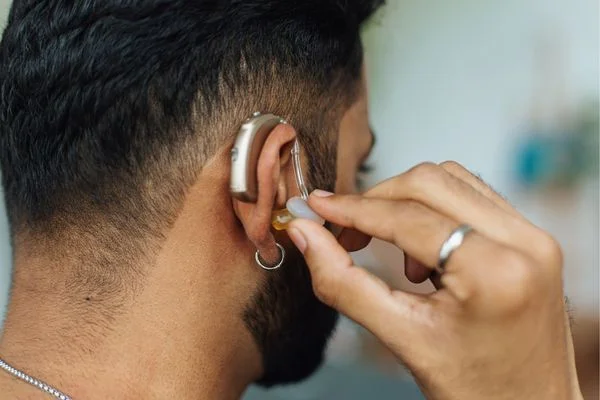
Modern hearing aids use AI to filter noise and focus on speech. The algorithms adapt to different environments, such as crowded rooms or quiet spaces. This makes conversations easier to follow.
AI-enabled hearing aids can also connect to smartphones for adjustments, updates, and remote support.
Future Directions for Top AI Devices
Artificial intelligence continues to evolve, with an increasing number of devices capable of learning from user behavior in subtle and efficient ways. Future AI technologies are expected to become more personalized, predictive, and proactive, enabling smarter interactions and more responsive functionality across a wide range of applications.
Seamless Integration
AI devices will work better together. Your wearable, smart home system, and personal computer might all understand your routines and preferences. This creates a more seamless digital lifestyle.
Enhanced Context Awareness
Devices will better understand context. They will tailor responses not just based on commands, but on time, location, and user behavior. This leads to interactions that feel natural and intuitive.
Smarter Automation
Automation will take on complex tasks. Instead of just scheduling vacuuming or reminding you about appointments, AI will anticipate needs before you ask. Machines will learn from patterns and improve accuracy over time.
Human Centered Design
Expect AI devices to become easier to use and more accessible. Voice, gesture, and predictive interfaces will reduce friction. People of all ages and skill levels will benefit.
How to Choose the Right AI Device for You
With so many options, choosing the right AI device can feel overwhelming. Here are a few questions to guide your decision:
- What problem are you trying to solve? Do you want help in the kitchen, more convenience at home, better health tracking, or entertainment enhancements?
- Which ecosystem do you prefer? Some devices work best with Apple products, others with Google or Amazon services.
- How much control do you want? Do you prefer automated suggestions or manual adjustment?
- How concerned are you about privacy? Some brands emphasize local processing and minimal data collection.
Thinking about these questions can clarify which AI device makes the most sense for your daily life.
How Top AI Devices Are Transforming Everyday Life
Artificial intelligence has expanded beyond research environments and into everyday living spaces and personal technology. Leading AI devices now support organization, entertainment, connectivity, and health-related functions. These technologies are built to adapt and improve through continuous learning, using behavioral patterns and usage data to deliver increasingly relevant and effective performance over time.
Whether it is a smart speaker that plays music and answers questions, a wearable that tracks your health, a robot that cleans your floors, or a smart display that guides dinner decisions, AI devices are reshaping life for the better. The future promises even more seamless integration and intelligent automation.
As the world of AI grows, choosing devices that fit your lifestyle will become easier. Start with one that solves a real problem for you. Let it grow with your needs. Enjoy the benefits of today’s technology while looking ahead to innovations that are just around the corner.
Artificial intelligence is no longer a general idea. It is the smart, responsive technology that is already making our lives better and more connected.